History of Jerpoint Abbey and What You'll See
Learn about the 13th-century Cistercian monastery, its architectural details, and what remains visible today for visitors exploring the ruins.
Discover what grows in the abbey gardens throughout the year. We'll show you where to find them and what you might see in each season.
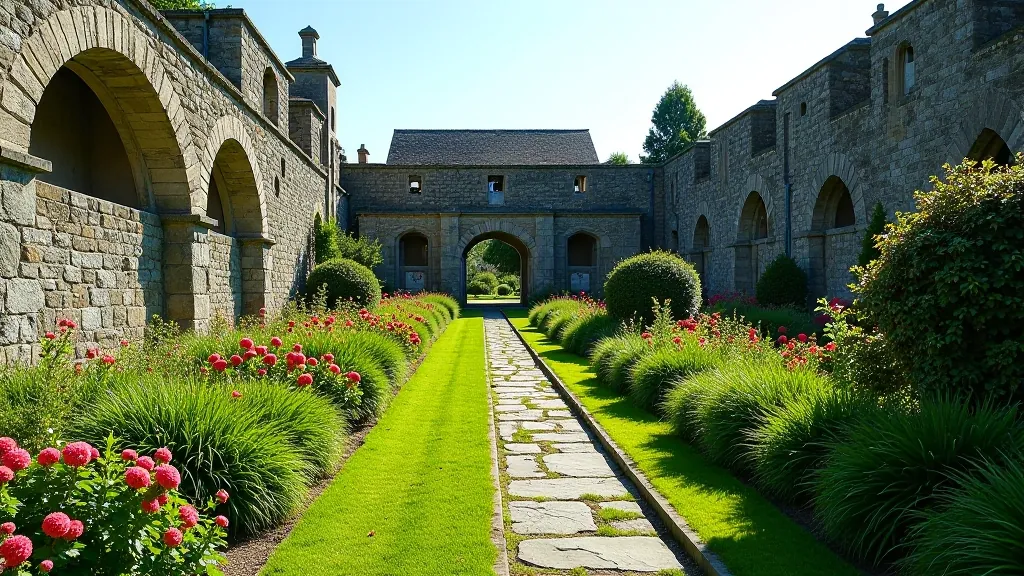
The gardens surrounding Jerpoint Abbey aren't just historically significant—they're living spaces that change dramatically through the year. Whether you're visiting in spring when everything's bursting with color or autumn when the landscape shifts to golds and browns, there's always something worth seeing. We've mapped out what you'll find in each season and where to look for it.
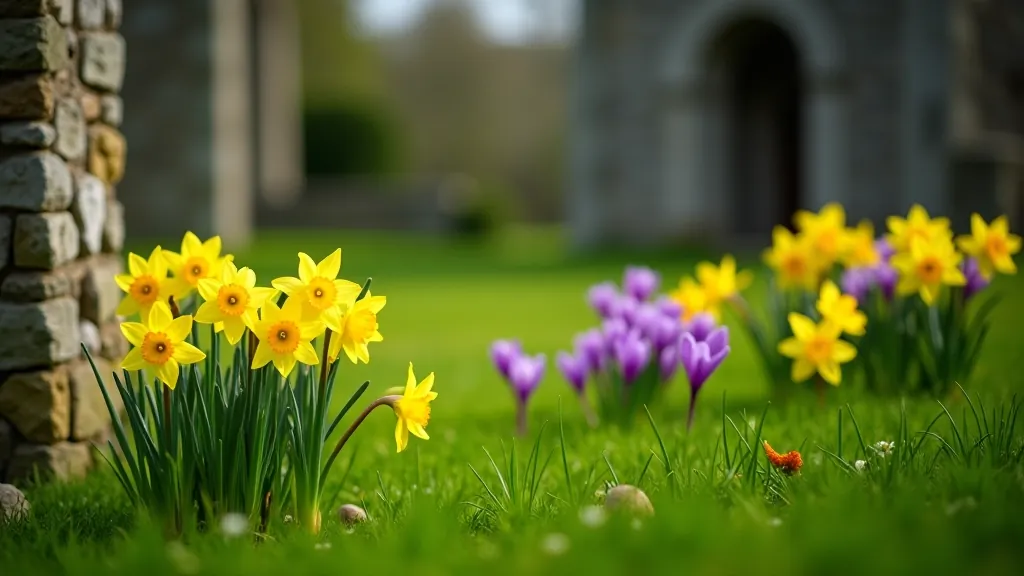
Spring at Jerpoint is when the abbey gardens truly come alive. The first signs appear in late March with snowdrops dotting the ground near the eastern walls. By April, you'll notice daffodils and crocuses in clusters—mostly planted centuries ago and still returning faithfully each year.
The herb garden starts producing fresh growth. Medieval monasteries relied on herbs for medicine and cooking, and you'll see remnants of that tradition. Look for early mint emerging near the stone edges, and young lavender shoots starting to green up. Bluebells appear in the shadier corners by late April, creating those dreamy purple carpets under the oak trees.
One thing we've noticed: spring here is never rushed. Cold snaps are common through April, so don't expect everything to bloom at once. That's actually the appeal—there's always a reason to come back and see what's changed since your last visit.
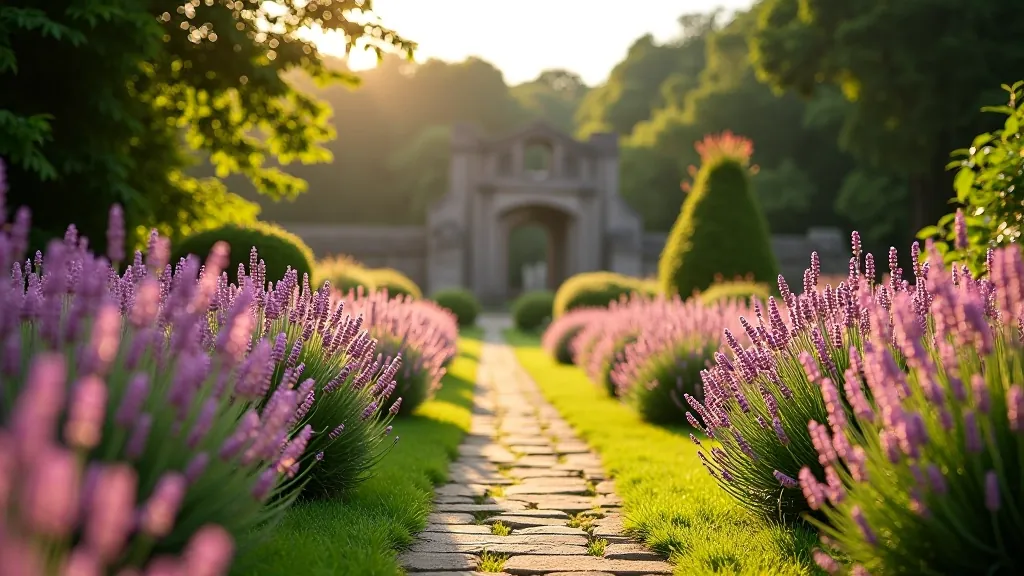
Summer's when the gardens hit their stride. The herb beds are thick with lavender, thyme, and sage—all plants that would've been essential in a medieval monastery. You'll notice the scent before you see them, especially on warm afternoons when the oils are strongest. Roses bloom in clusters, mostly heritage varieties that've been here for generations.
Perennials take over in July and August. Delphiniums tower over the pathways, foxgloves stand like sentries along the edges, and coneflowers attract bees and butterflies. The stone pathways wind through all of this, and it's genuinely easy to spend an hour just wandering between beds and reading the different layers of planting.
One practical note: summer gets busy here. If you prefer quieter moments, aim for early mornings or weekday visits. The gardens don't close, but the atmosphere definitely changes as afternoon crowds arrive.
"The lavender section in July was overwhelming in the best way. You couldn't walk through without brushing it, and the smell stayed on my clothes for days."
— Margaret, visiting from Cork
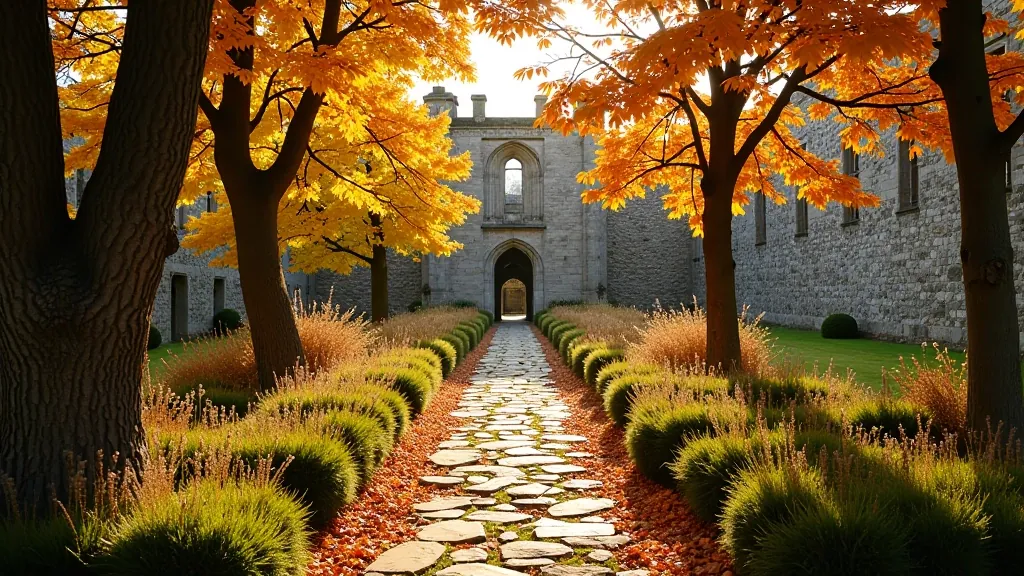
Autumn doesn't announce itself loudly here. Instead, it arrives gradually. September still feels like summer—the last of the summer bloomers are hanging on, and new asters appear. October's when you'll notice real change. The foliage starts shifting. The oak and beech trees surrounding the gardens turn golden, then russet, then brown. It happens slowly enough that you can almost watch it day by day.
The herb beds look tired by November, but there's a beauty in that. The seed heads of the grasses and perennials remain standing—architectural and interesting. Late autumn crocuses bloom unexpectedly in October, pushing through the leaf litter. It's a quieter garden than summer, but we'd argue it's more contemplative. The pathways aren't crowded, and there's space to think.
If you visit in late October or early November, bring waterproof shoes. The paths can get muddy, and the wet leaves make everything slippery. But it's worth it. The light's different in autumn—lower, warmer, and it hits the stone walls at an angle that's genuinely photogenic.
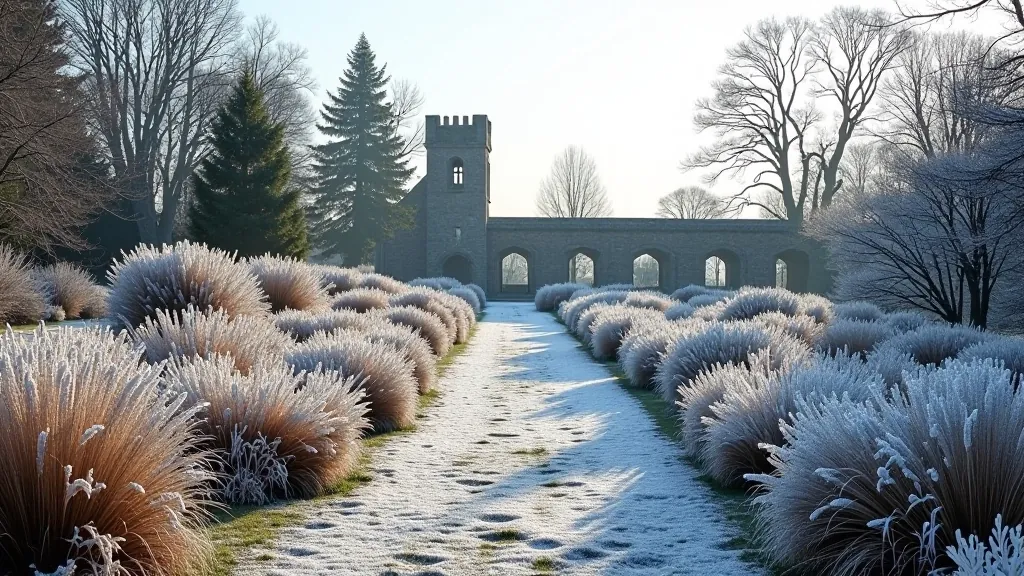
Winter strips everything back to essentials. The gardens become skeletal—you see the structure of the planting, the bones of the layout. The stone pathways are more prominent without plants crowding them. On frost mornings, everything's outlined in white crystals, and honestly, it's worth bundling up just to see that.
There aren't many flowers, but there's visual interest. Hellebores (Christmas roses) bloom in December and January—pale green and white flowers that seem impossibly delicate. The evergreen herbs keep their color. Structural plants like ornamental grasses, even dried back, add texture and movement when the wind picks up. And the abbey itself is starkly beautiful in winter light—the stone feels older, somehow more honest.
Winter's also the quietest season. If you're after solitude and contemplation, this is when you'll find it. The paths are rarely crowded, and there's something genuinely peaceful about walking through a sleeping garden with just the sound of wind through bare branches.
Wear layered clothing—it's windier here than you'd expect. The stone walls don't retain heat, so even mild days feel colder. Waterproof gloves help if you want to touch the frost-covered plants (gently!). Arrive in late morning when the frost's starting to melt and the light improves.
The gardens aren't randomly planted. They follow a logic that dates back to the medieval period. Understanding that layout helps you navigate and appreciate what you're seeing.
Located near the kitchen area (eastern side). This was functional—monks grew medicinal and culinary herbs. You'll still find organized beds with thyme, sage, mint, and lavender. The layout's geometric, almost like a patchwork quilt.
Older apple and pear trees stand in what was the orchard section (southern boundary). Some trees are hundreds of years old. They don't produce much fruit anymore, but they're beautiful, gnarled reminders of monastic self-sufficiency.
These were added later—probably Victorian-era plantings. They're positioned to be visible from the abbey ruins and the main pathways. Perennials dominate, with seasonal additions of annuals in summer months.
Stone paths connect everything, laid out for practical monastic movement. They're narrow enough that you're walking through planting, not just past it. This close proximity is intentional—you're meant to engage with what's growing.
Choosing when to visit depends on what you're looking for. Peak garden color is May through July, but that's also peak tourist season. If you prefer quieter exploration, April or September are excellent—you get decent weather and fewer crowds.
Early morning visits (before 10 a.m.) generally mean fewer people, regardless of season. The light's also better for photography if that matters to you. Weekday visits are noticeably quieter than weekends, particularly in spring and summer.
Don't skip winter. We know it sounds counterintuitive, but there's a clarity to the landscape when everything's dormant. The abbey itself feels more imposing, the stone more ancient. If you're visiting for atmosphere rather than flower color, winter delivers something genuinely special.
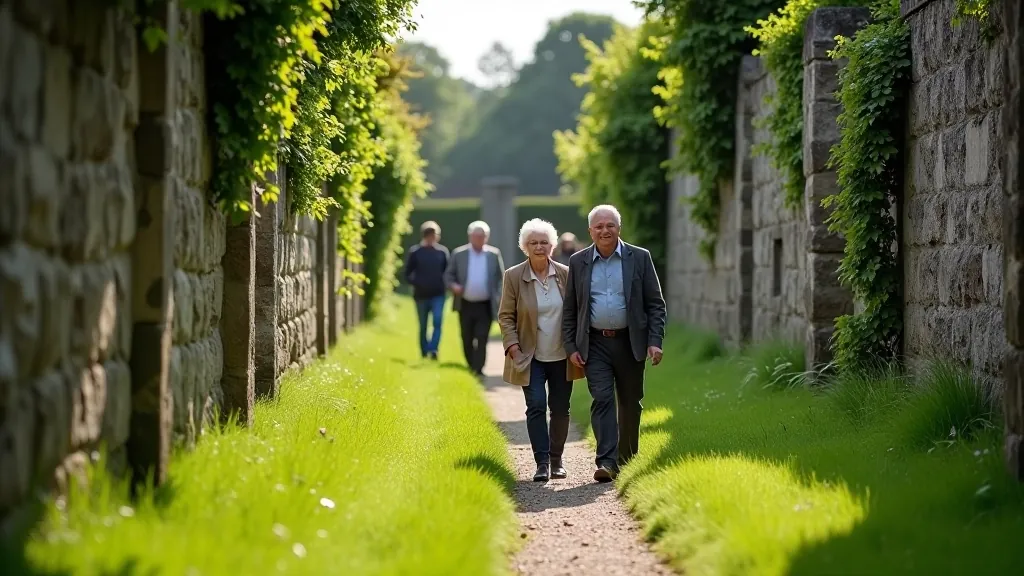
The abbey gardens reward repeated visits. What you see in April isn't what you'll see in July or October. That's not a limitation—it's the whole point. Gardens are living things, always changing, always different. You'll notice something new each time: a plant you missed before, a perspective you hadn't considered, a seasonal detail that catches you off guard.
Whether you're a serious gardener curious about heritage plants, someone who just enjoys walking through beautiful spaces, or a visitor wanting to understand more about medieval monastic life, the gardens have something to offer. Come in spring for color. Come in summer for abundance. Come in autumn for contemplation. Come in winter for silence. They're all worth experiencing.
The stone walls, the pathways, the plants—they've all been here a very long time. You're not just visiting a garden. You're walking through centuries of careful cultivation, monastic intention, and natural rhythm. That perspective changes how you experience the space.
This article provides general information about seasonal plants and garden layouts at Jerpoint Abbey and surrounding areas. Plant varieties, bloom times, and seasonal appearance may vary from year to year based on weather conditions and site maintenance. For specific details about visiting hours, accessibility accommodations, current conditions, or guided tours, please contact the abbey directly or visit their official website. This content is intended for informational and educational purposes only.