Getting There and Parking
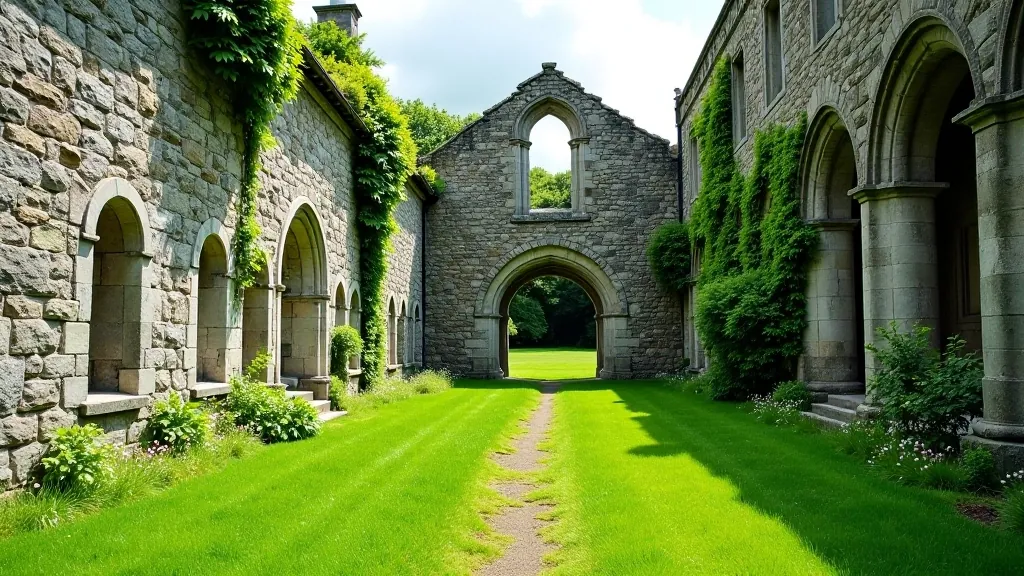
Jerpoint Abbey is located near Thomastown in County Kilkenny, about 45 minutes south of Dublin if you're driving. The site's well signposted once you're in the area, and parking is straightforward — there's a dedicated car park right by the visitor entrance.
If you're coming by public transport, it's trickier. Bus routes run to Thomastown, but you'll need a taxi or arranged transport to reach the abbey itself. Most visitors we speak with drive, which gives you flexibility to explore the surrounding trails at your own pace. You'll want to allow 3-4 hours minimum if you're planning to see the abbey ruins and do at least one trail walk.
Parking tip: The car park fills up on weekends and bank holidays, particularly June through August. Arriving before 11am or after 3pm usually means you'll find space easily.
Opening Hours and Entry
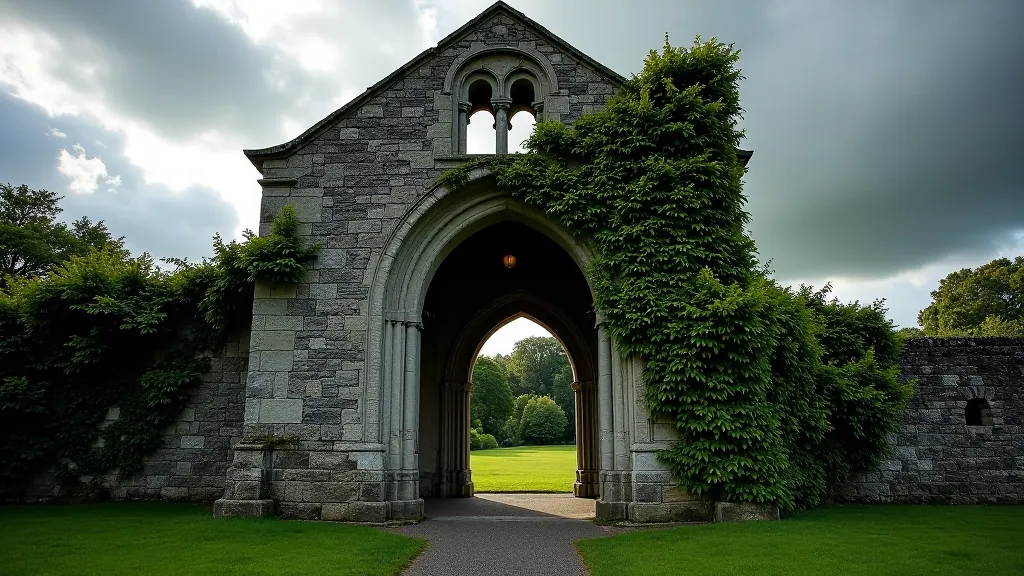
The abbey and grounds are open year-round, though hours vary seasonally. During the warmer months (April to September), you'll find the site open from 9am to 6pm most days. In winter, it closes earlier — usually around 4pm — so if you're visiting November through February, plan your trip for the earlier part of the day.
Entry is modest, and you can pay at the visitor centre when you arrive. Don't worry about needing tickets in advance — they rarely sell out. What we hear often from visitors is that even if the formal opening hours have ended, the grounds themselves aren't locked, so determined walkers have been known to enjoy the trails in late evening. That said, stick to official hours for safety and to respect the site's status as a working heritage location.
Seasonal closures are rare, but do check ahead if you're planning a visit around Christmas or New Year, as occasional maintenance work can affect access.
What to Wear and Bring
This is where most first-time visitors wish they'd prepared better. Kilkenny weather isn't predictable — you can experience four seasons in a single day. What we recommend is dressing in layers. Start with a moisture-wicking base layer, add a fleece or wool sweater, and bring a waterproof jacket that you can tie around your waist if it's not raining.
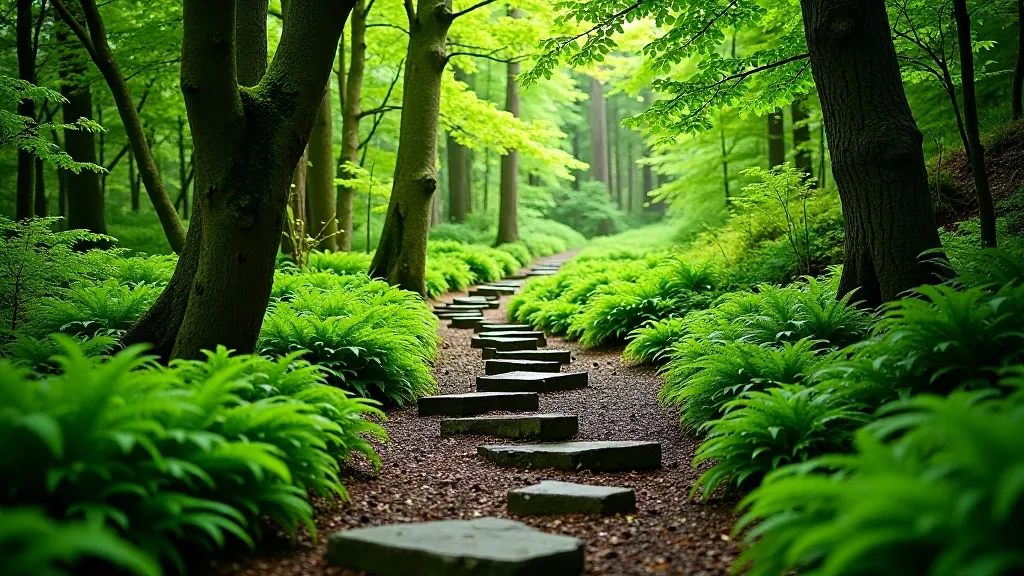
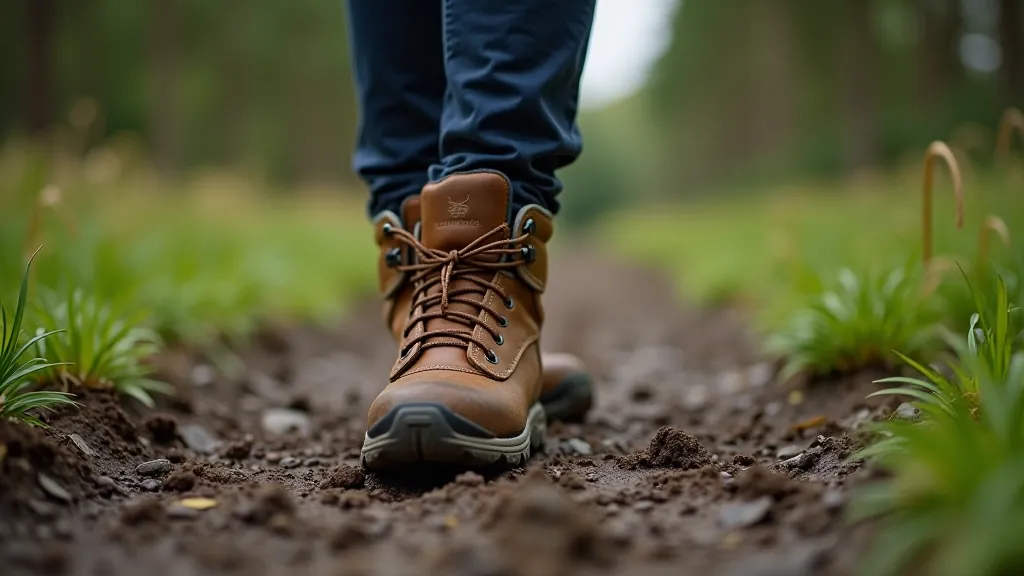
Footwear matters more than anything else. The trails around the abbey have sections that're muddy even days after rain. You'll want proper walking boots with good grip — trainers or casual shoes will leave your feet wet and uncomfortable within 20 minutes. Waterproof hiking boots are ideal, but any sturdy boot with ankle support works well.
Essential items to pack:
- Water bottle (at least 500ml — there's no drinking water on the trails)
- Snacks (trail mix, energy bars, fruit)
- Waterproof bag for phone and valuables
- Hat or cap (sun protection in summer, warmth in winter)
- Sunscreen (Irish sun can surprise you)
- Small first aid kit (blister plasters especially)
Weather and Best Times to Visit
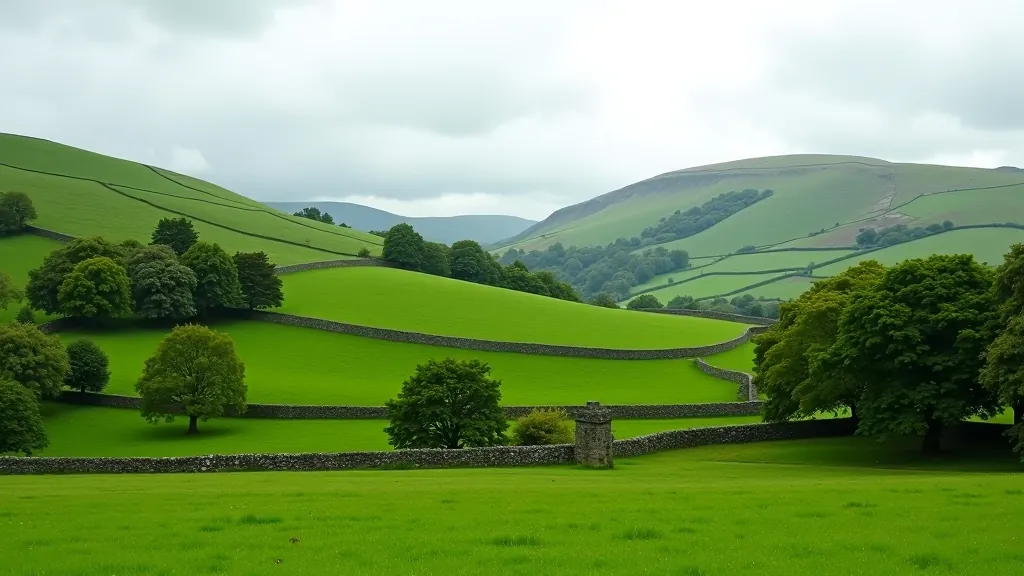
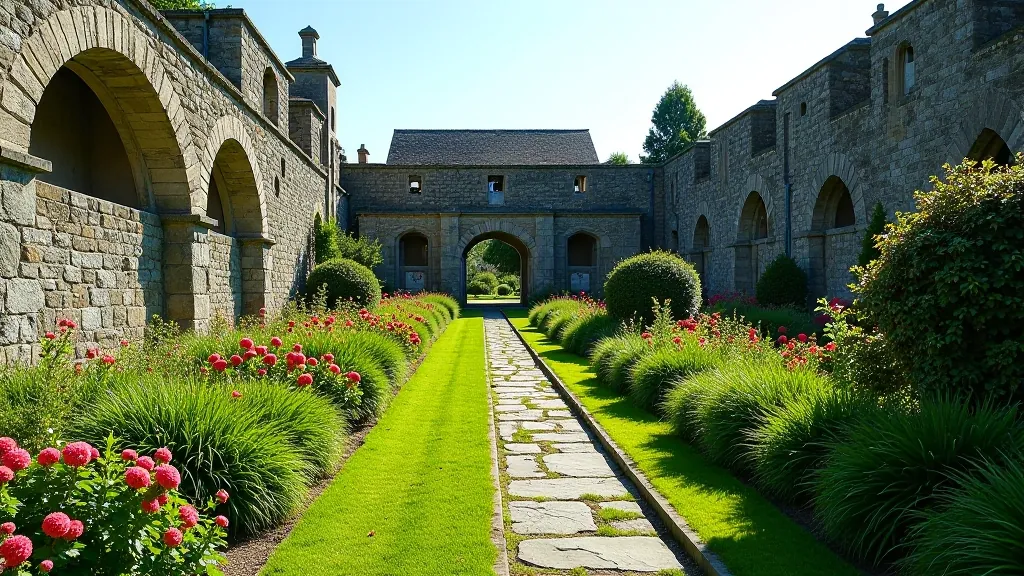
May through September are peak visiting months, and for good reason. The weather's more stable, daylight stretches longer, and the gardens around the abbey are at their best. June is particularly lovely — temperatures hover around 15-18°C, rain's less frequent, and wildflowers dot the trails.
That said, spring (March-April) and autumn (September-October) offer their own appeal. You'll encounter fewer visitors, and the light has a particular quality that's beautiful for photography. Winter visits are possible but challenging — short daylight hours mean you'll want to arrive early, and muddy trails become slippery. It's doable if you're experienced with winter walking, but not ideal for casual visitors.
Rain is part of the experience here — don't let forecasts of showers deter you. A proper waterproof jacket and good boots make all the difference. We've found that drizzly mornings often clear by afternoon, and the abbey ruins look particularly atmospheric under moody skies.
Practical Considerations for Comfortable Walking
If you're visiting with mobility considerations in mind, here's what you should know. The abbey ruins themselves are accessible via a gentle slope from the car park — it's maybe 50 metres and takes 2-3 minutes at a relaxed pace. There's a bench near the entrance if you need to rest.
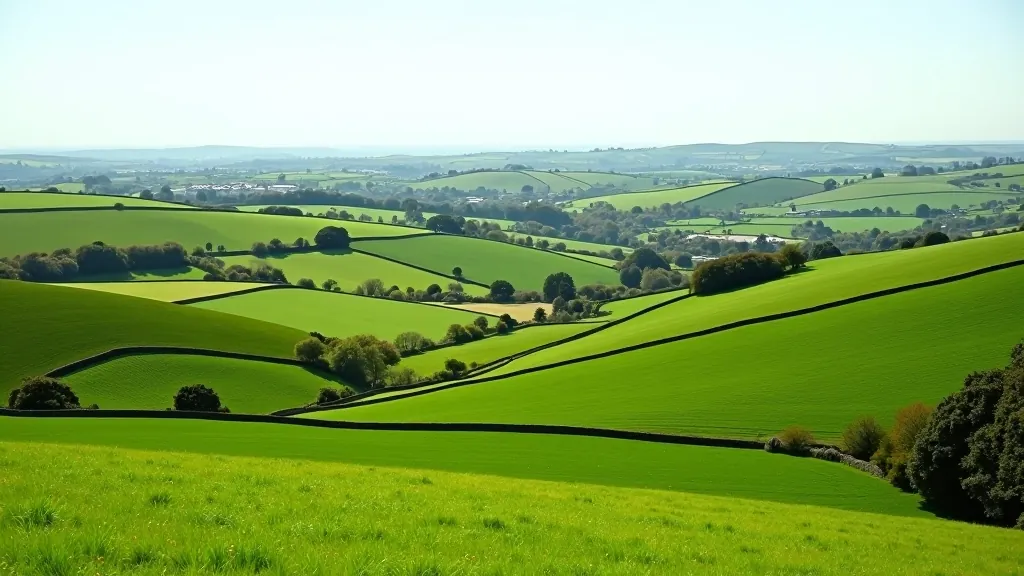
The farmland trails are variable. Some sections are flat and well-maintained, while others have uneven surfaces, gates to navigate, and steep sections. The shortest trail loops back to the abbey in about 30 minutes at a leisurely pace, covering maybe 1.5km. That's usually manageable even for those with limited mobility, though muddy patches can be tricky. The longer trails climb more steeply and demand better fitness.
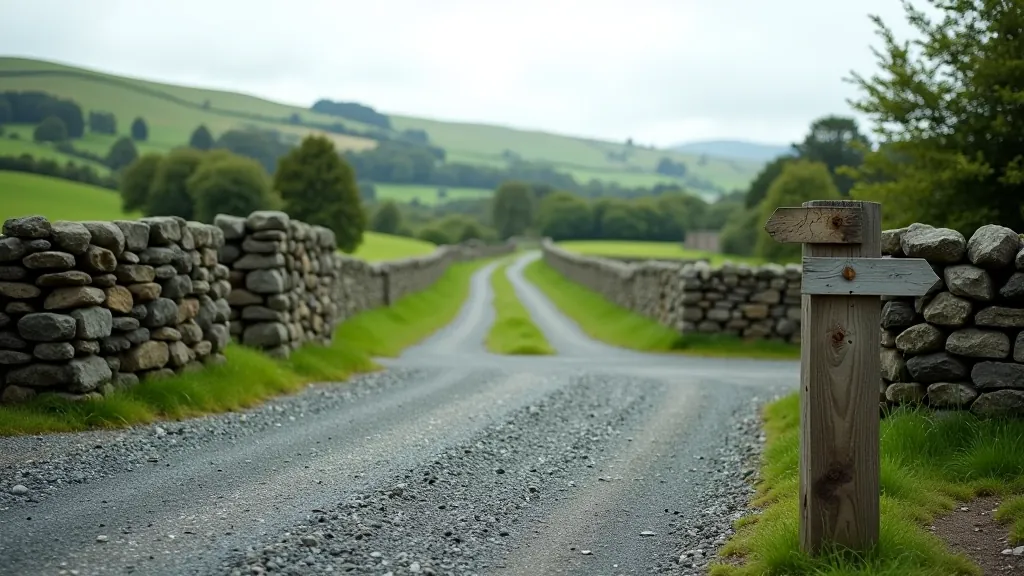
"The trails aren't signposted brilliantly, so if you're unsure, stick to the main loop. It's clearly worn into the ground, and you won't get lost. The more ambitious trails branch off, but they're easy to miss if you're not looking for them."
Walking poles are genuinely helpful here, especially if you have any joint concerns. They reduce impact on knees and ankles, provide extra stability on muddy sections, and help with confidence on steeper bits. Most outdoor shops in Kilkenny rent them if you don't own a pair.
Pace yourself. There's no rush. Many visitors spend 2-3 hours here, which gives you time to walk the ruins thoroughly, enjoy a trail walk, and rest when you need to. Build in a proper lunch break — bring a picnic or pop into Thomastown for food before you arrive.
Final Thoughts
Planning a visit to Jerpoint Abbey and the surrounding trails doesn't need to be complicated. Wear proper footwear, bring water and a jacket, and give yourself enough time to enjoy the experience without rushing. The abbey's been standing for nearly 800 years — it'll still be there whether you arrive at 10am or 2pm. Focus on dressing right for the weather and choosing trails that match your fitness level, and you'll have a genuinely memorable day exploring one of Ireland's most atmospheric heritage sites.