History of Jerpoint Abbey and What You'll See
Learn about the 13th-century Cistercian monastery, its architectural details, and restoration work.
Three gentle farmland trails around Jerpoint Abbey suited for retirees. Distances, terrain details, and rest spots included.
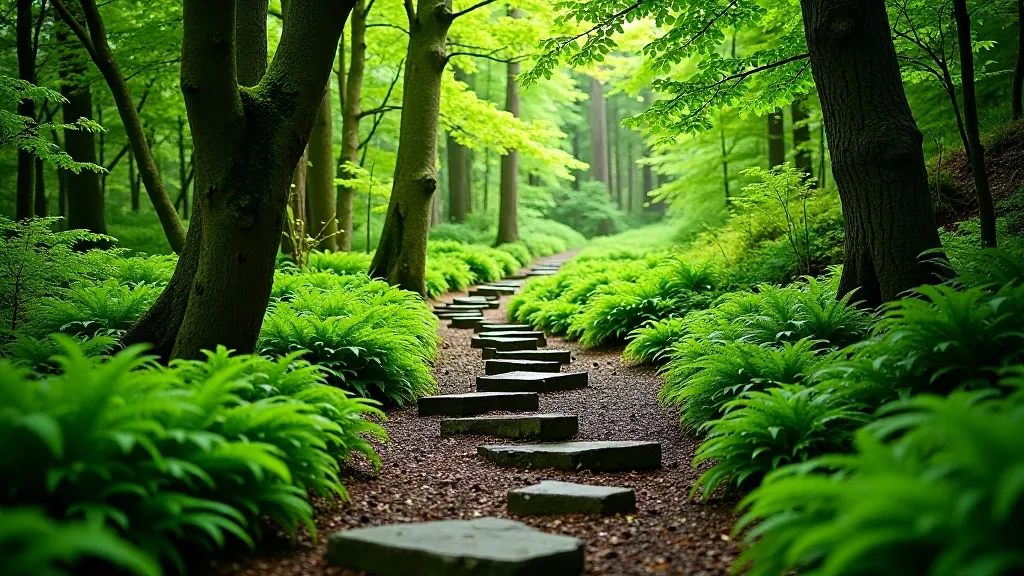
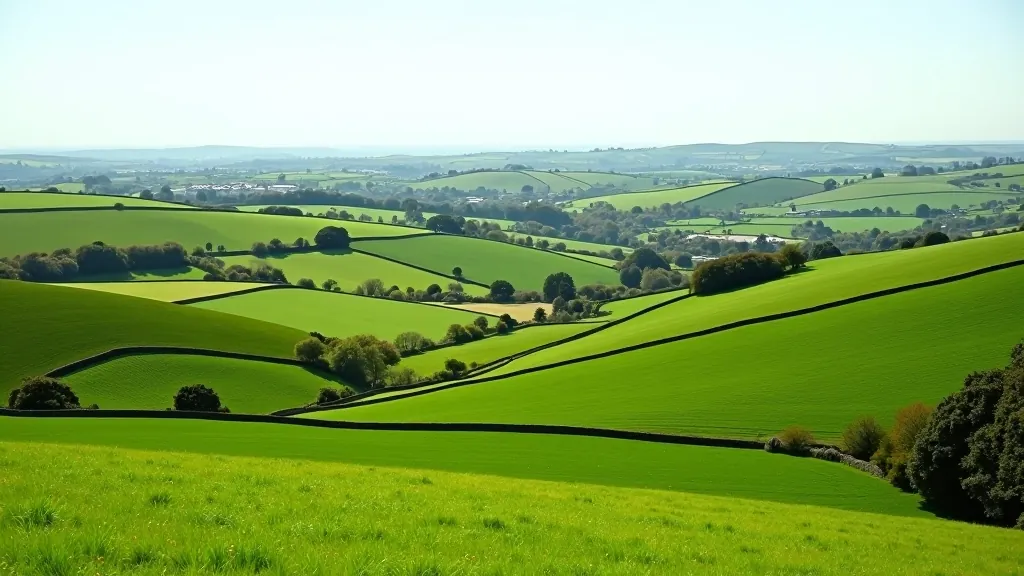
Walking around Jerpoint Abbey doesn't require scrambling up steep hills or navigating complicated terrain. The farmland surrounding this 13th-century monastery offers some of Ireland's gentlest paths — the kind where you can actually talk while you walk, notice the stonework, and rest whenever you need to.
We've mapped three routes that work especially well for retirees and anyone preferring a relaxed pace. Each one gives you something different to see — medieval ruins, open countryside, or quiet water crossings — without the physical stress of longer hikes.
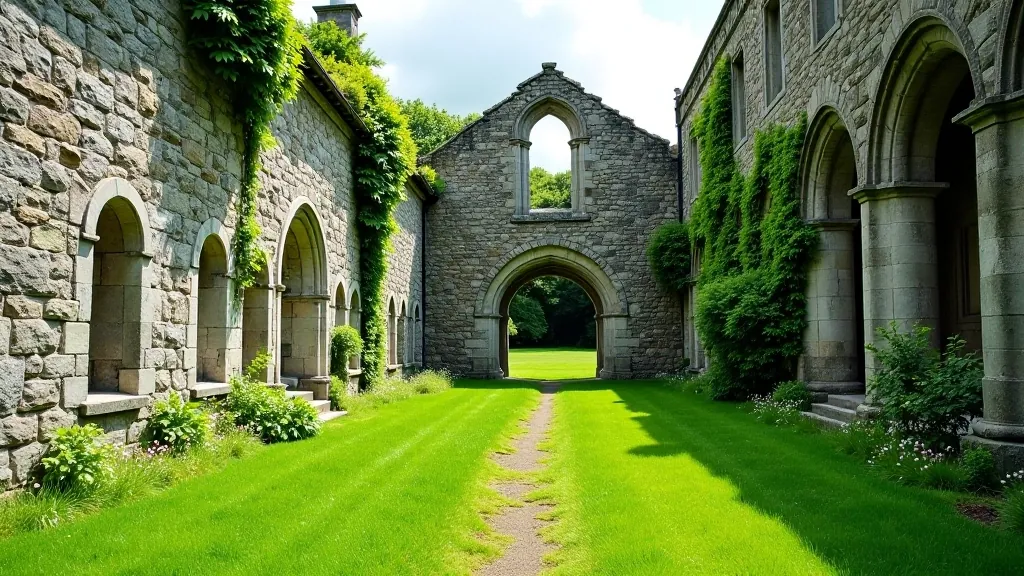
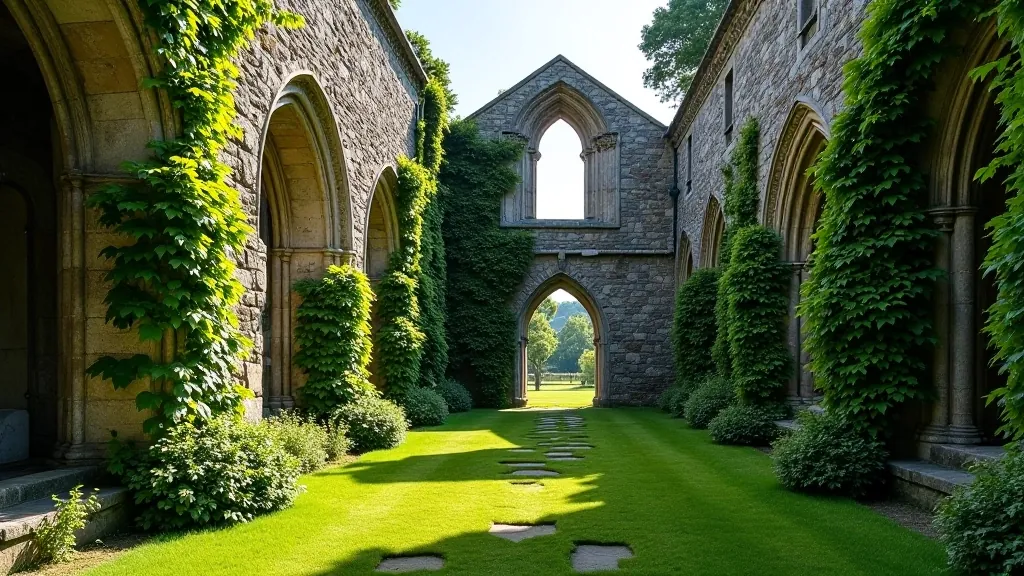
This is the shortest and most accessible route. It circles the abbey grounds themselves, following farm gates and mowed paths with minimal elevation change. You'll pass the main abbey entrance, walk alongside the outer walls where medieval stone still stands, and loop back past the visitor facilities.
The terrain's mostly flat — just gentle slopes where the ground naturally undulates. Surfaces include gravel paths, mowed grass, and a few sections of packed earth. There's a bench at the 1.2km mark if you want to sit and watch the abbey for a bit. Rest stops at the visitor centre before and after walking.
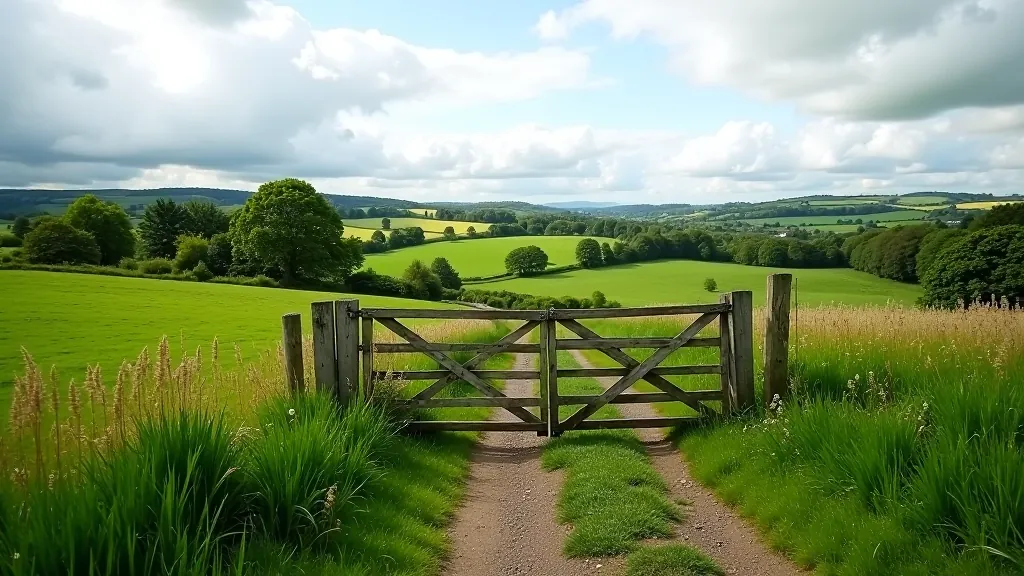
This route follows King's River for much of its length, giving you water views and the sound of flowing water for company. It's slightly longer than the Abbey Loop but still genuinely comfortable. The path stays mostly level as it traces the river's edge, passing through working farmland with the occasional stile or gate to navigate.
Starting from the abbey visitor centre, you'll head northwest along marked farm paths. The river appears around the 800m mark and stays visible for the next 2km. Most of the walking is on defined paths, though you'll cross a couple of pastures with sheep. One small climb — maybe 30 metres of gentle slope — comes at the 2.1km point, but it's short enough that most people handle it fine.
There's genuinely good reason to linger here. The river section's quiet and you'll often see herons or kingfishers. We've spotted red squirrels in the trees along the bank. The route loops back through farmland, rejoining the Abbey Loop for the final 1km back to the visitor centre.
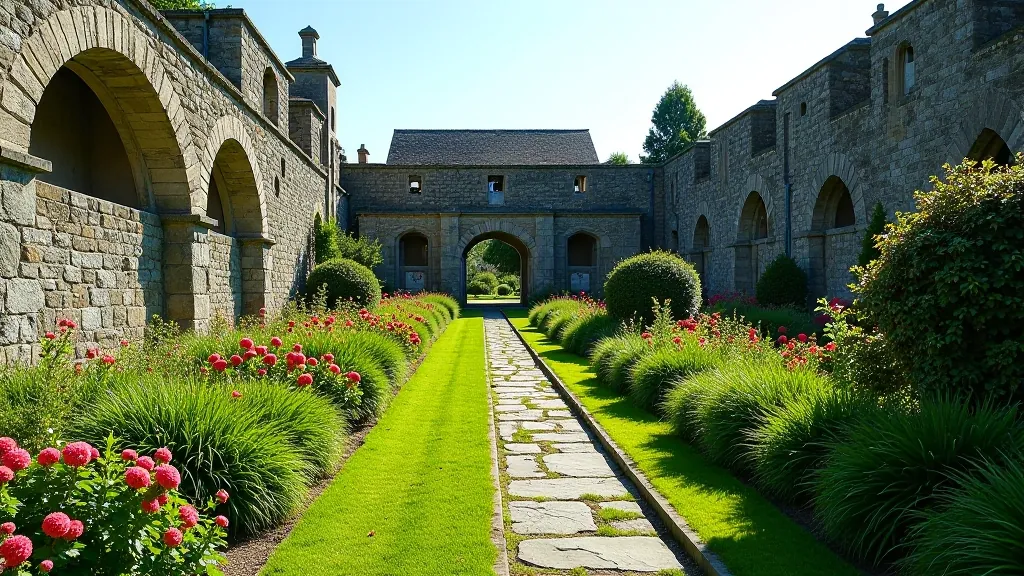
Shortest of the three routes and perfect if you want something genuinely leisurely or if you're visiting with mobility limitations. This path connects the abbey ruins to the seasonal gardens on the property, mostly staying within maintained grounds. It's the only route that doesn't venture into open farmland.
People with limited time, anyone preferring manicured paths over farmland, or those wanting a combined abbey-and-gardens visit in one walk. The ground's always level here and surfaces are prepared specifically for walking. Parking's closest to this route's starting point.
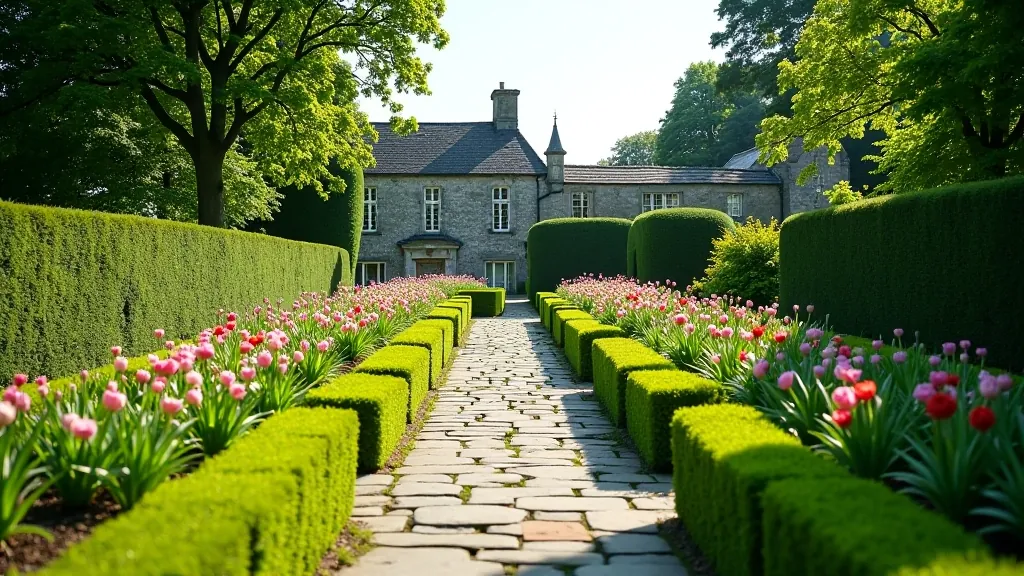
You'll spend about half the time among the abbey buildings themselves and half in the adjacent gardens. The garden section changes seasonally — spring brings apple blossoms and early perennials, summer fills the beds with colour, autumn offers interesting seed heads and changing leaves. Winter reveals the garden structure and stone features more clearly. Rest areas appear every 400-500 metres, with benches positioned to face interesting views.
Waterproof walking boots are worth the investment. Ground can stay wet for days after rain, and you'll encounter muddy patches on the Waterside Walk especially. Avoid pure trainers — the ankle support matters on uneven terrain, and grip matters on grass slopes.
These times assume regular breaks. Don't feel rushed. People regularly take 90 minutes on the 2.5km Abbey Loop because they stop to photograph details or sit quietly. That's the whole point — pace matters more than speed.
Ireland's wind is real, and farmland offers minimal shelter. A windproof layer makes a genuine difference. Bring water even on shorter routes — the 35-minute Garden Path walk still benefits from having something to drink halfway through.
All three routes are open year-round. Winter's actually quieter and often clearer for views. Spring brings lambs in the pastures. Summer's green and lush. Autumn gives you excellent colours without the summer crowds.
The Abbey Loop works if you want genuine ease with architectural interest. The Waterside Walk's the choice for water views and slightly more engagement with landscape. The Garden Path Circuit suits people wanting cultural heritage combined with horticultural variety.
You don't need to pick one and stick with it. Locals rotate through all three depending on weather, energy levels, and what they're interested in on a particular day. That's actually the best approach — variety keeps walking interesting, and different seasons reveal different things on each route.
The point isn't completing routes quickly. It's moving at the pace that lets you notice things — the stone patterns in the abbey walls, how light falls through riverside trees, which wildflowers have appeared since your last visit. That's what makes these walks genuinely comfortable.

This article provides educational information about walking routes around Jerpoint Abbey. Route conditions, access permissions, and terrain can change seasonally and due to weather. Always verify current conditions with local sources before walking, particularly after heavy rain or during winter months. Individual fitness levels vary — assess your own capabilities before undertaking any route. Jerpoint Abbey and surrounding farmland are working heritage sites with active farming operations. Respect private property, close gates behind you, and follow any posted instructions from landowners or site management. This information is intended as general guidance only and doesn't constitute professional outdoor or medical advice.